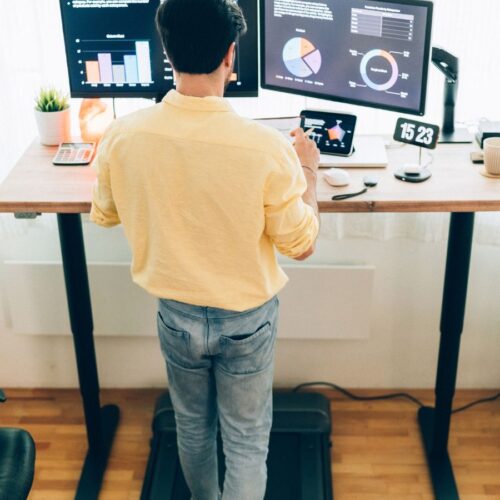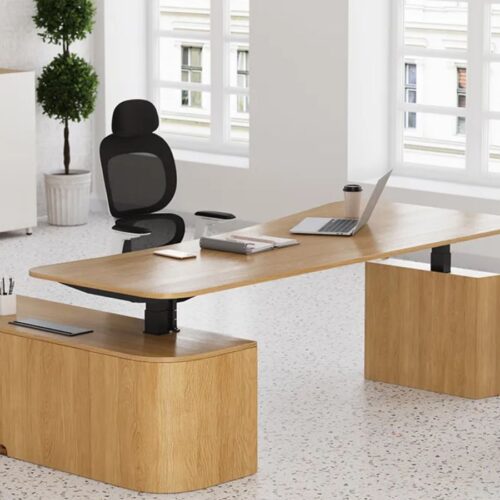
Standing desks are now commonplace in homes, as well as in traditional places of business. Many people choose them to be more on their feet throughout the day and reduce the long hours of sitting. While standing desks do have real benefits, standing all day is not the right solution either. Leg fatigue, foot pain, and lower back strain are all potential problems associated with standing on your feet too long.
This is why sitting breaks are important. Standing and sitting are good ways to help the body stay comfortable and supported throughout the workday. How you are sitting plays a big role in this balance with the chair you are using. A proper chair gives your body an opportunity to relax while keeping good posture.
One mistake that is commonly made is using a standard office chair that does not adjust high enough to work with a standing desk. Others sit on stools with no back support, or they choose chairs solely by eye. These choices can make a person more uncomfortable and negate the benefits of a standing desk.
This guide provides some information on how to go about choosing the correct chair for a standing desk. The Liftdesk team discusses important features, types of chairs, and the best options to consider to ensure that you are working comfortably and safely.
Table of Contents
- Why Chair Choice Matters for Standing Desk Users
- 5 Key Factors to Consider When Choosing a Chair for a Standing Desk
- Types of Chairs That Are the Best for Standing Desks
- Top Picks: Best Chairs for Standing Desks
- FAQs
- Conclusion
Why Chair Choice Matters for Standing Desk Users
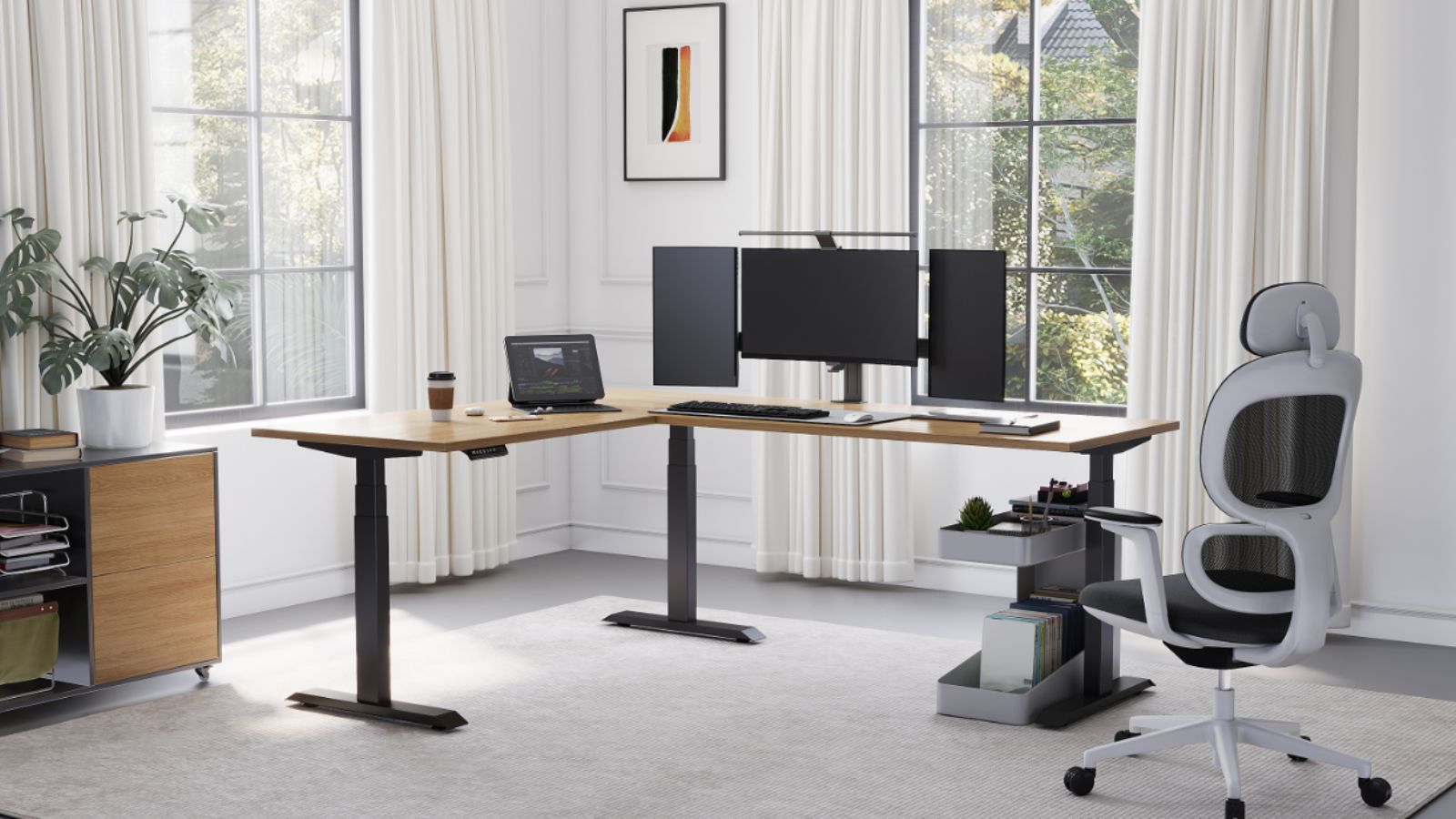
Using a standing desk is not all about standing more. It is about activity and keeping the body supported throughout the day. A good sit-stand balance will help to reduce strain and keep muscles active. The type of chair you choose plays an important role in making these changes of position easy and comfortable.
The wrong chair can have a negative effect on the posture and additional stress on the hips, knees, and lower back. If a chair is too low or poorly supported, it can lead to awkward sitting positions. Over time, this can cause stiffness and discomfort as well as poor alignment. The use of a chair made for use with the standing desk helps to maintain a more natural posture and keep joints in a healthier place.
Active sitting chairs have small movements built into the chair. These movements help to increase circulation and ease the pressure on the spine. Static chairs, on the other hand, entice people to sit still for long periods of time, which can undo the benefits of having a standing desk.
When a chair does not fit your desk height or style of working, this restricts the frequency with which you can change positions. This makes them less comfortable, focused, and energetic. Choosing the right chair supports better movement, keeps you focused, and protects your long-term health while sitting at a standing desk every day.
👉 Looking for standing desk in Singapore? Check this guide: Standing Desk Brands in Singapore: 2026 Buyer’s Guide
5 Key Factors to Consider When Choosing a Chair for a Standing Desk
1. Seat Height Range
The sit height is one of the most important features. A chair for a standing desk needs to be higher than the standard office chair. This enables you to sit comfortably at the higher desk heights. Always make sure that your chair is in the same lower sitting position as your desk.
2. Ergonomic Support
Good ergonomic support helps to support your body while seated on breaks. Look for built-in lumbar support that will ensure the natural curve of the lower back. A supporting backrest shape and well-padded seat will take pressure off and enable proper posture.
3. Active Sitting Capability
Chairs with some small movement support active sitting. Gentle motion promotes blood activity and takes the pressure away from the hips and spine. This makes it easier to move and switch positions and avoid stiffness during workdays that can last a while.
4. Stability and Base Design
A stable base is necessary for seats at higher levels. A five-star base provides better balance, and foot rings provide support for the legs and help to reduce strain. Anti-tip designs provide safety when moving or adjusting a height.
5. Durability and Daily Use
Strong materials and solid construction matter daily. Check weight capacity and build quality for long-term performance (full workdays especially).
Types of Chairs That Are the Best for Standing Desks
1. Drafting Chairs
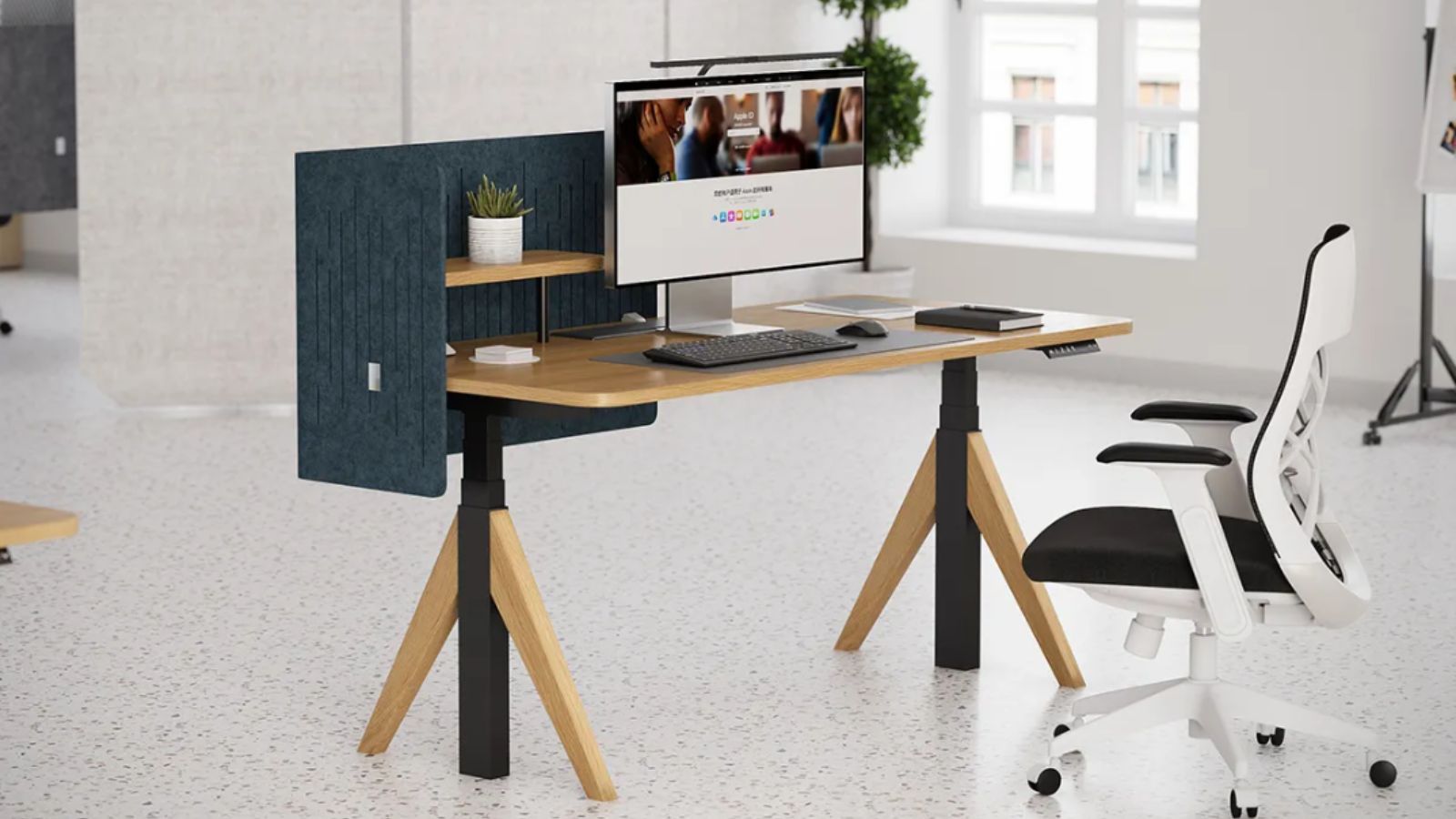
One of the most common options for standing desks is drafting chairs. They provide a wider range of seat heights than standard office chairs and are therefore easier to combine with adjustable desks. Most drafting chairs come with a foot ring, which supports the legs that are otherwise hit by pressure if the chair is higher up. These chairs are suitable for people who change frequently between sitting and standing and require quick, easy, comfortable transitions throughout the day.
2. Active Sitting Chairs
Active sitting chairs – active seating chairs are designed to encourage gentle movement in a seated position. They allow minute changes in position, which helps to improve circulation as well as to reduce muscle stiffness. This type of chair promotes a better balance and maintains the body’s engagement, making it a good choice for people who stand at their desk and want to stay active while sitting.
3. Saddle Chairs
Saddle Chairs encourage an open hip angle, which helps a person sit up straight. This design takes the pressure off the lower back and promotes correct spinal alignment. However, saddle chairs can take some getting used to as the seating position is different from that of a regular chair.
4. Stools and Perching Chairs
Stools and perching chairs are of light support for light sitting breaks. They provide some of your body weight support but aren’t meant for extended working periods or for full back support.
Also See: What is Standing Desk Ergonomics?
Top Picks: Best Chairs for Standing Desks
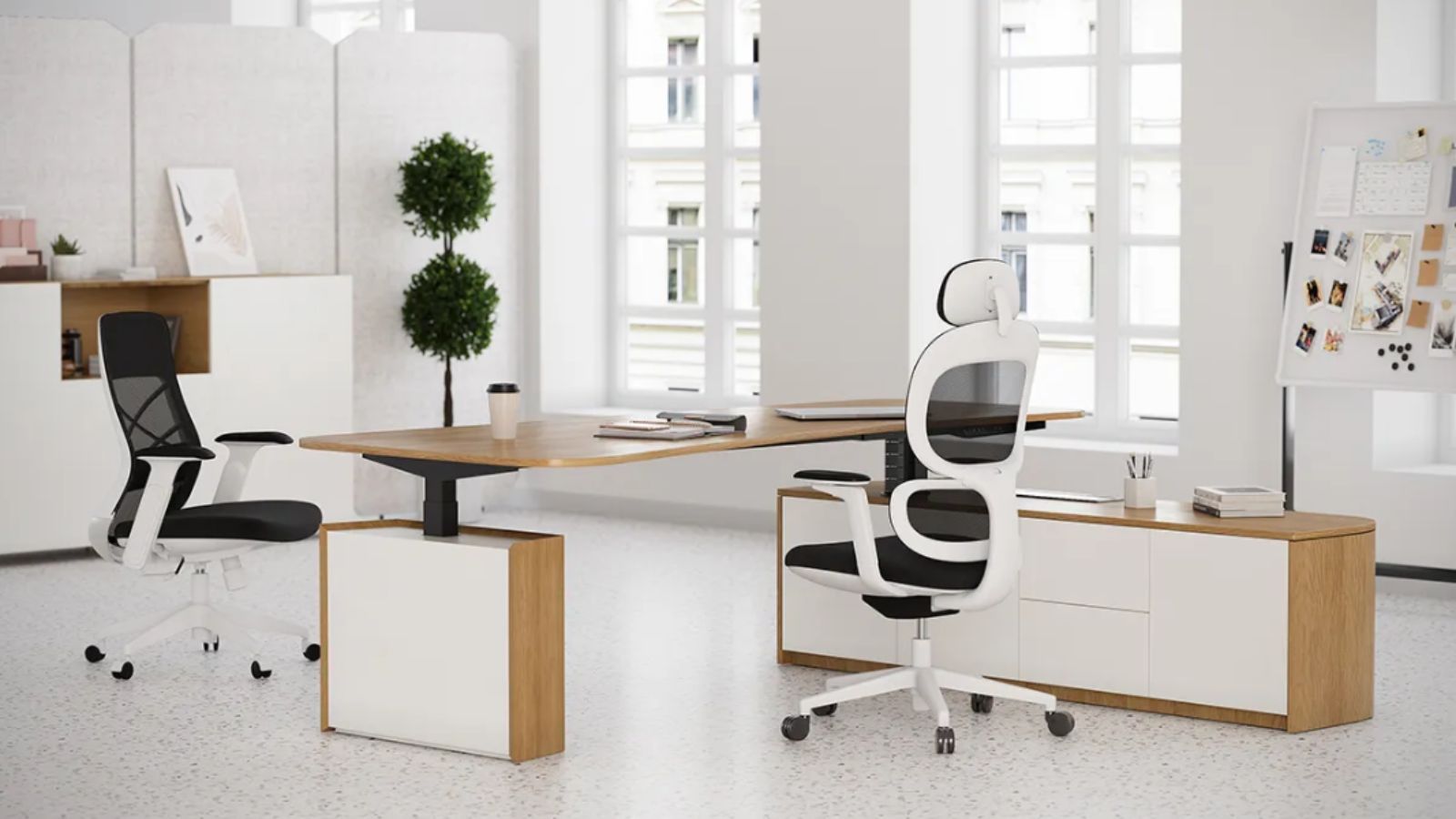
1. Meet&Co Budding Ergonomic Office Chair
The Meet&Co Budding Ergonomic Office Chair is designed for the modern sit-stand environment. It has a range of heights that is suitable for improvement in conjunction with standing desks, so that seated breaks are more comfortable. The breathable back and inbuilt lumbar support help to maintain good posture. This chair works fine both at the home office and the professional office.
Pros and Cons
| Pros | Cons |
| Good height adjustability | Assembly required |
| Breathable back material | Limited color options |
| Built-in lumbar support | Not designed for very tall users |
| Stable base | |
| Comfortable for long use |
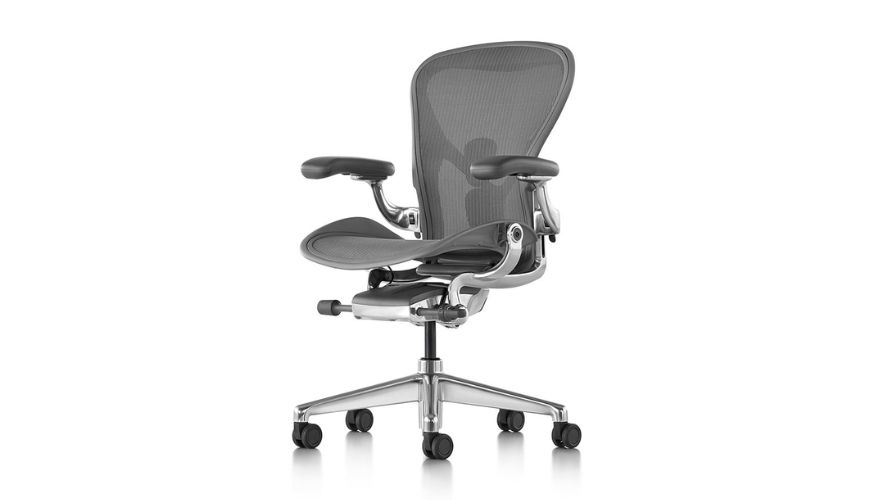
2. Herman Miller Aeron Chair
The Herman Miller Aeron Chair is the top-of-the-line ergonomic chair designed for a long workday. Its mesh design assists airflow and also facilitates the reduction of heat buildup. Adjustable arms and posture support encourage correct alignment during seated breaks. This chair is best for those users who would like the best in comfort and durability.
Pros and Cons
| Pros | Cons |
| Advanced ergonomic support | Very expensive |
| Breathable mesh design | Complex adjustments |
| Strong build quality | Limited height range for standing desks |
| Adjustable arms | |
| Long lifespan |
Also see: Best Budget Standing Desk Buying Guide
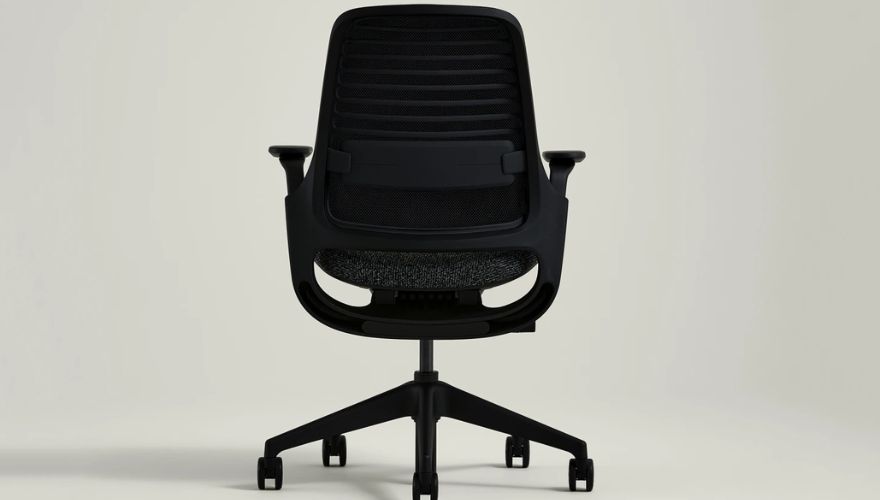
3. Steelcase Series 1 Office Chair
The most comfortable, supported, and valuable office chair is the Steelcase Series 1 Office Chair. It contains adjustable lumbar support and seat depth to accommodate users. The chair is suitable for sit-stand routines and can also be used in the office every day. Its design is long-term comfortable without non-essential functions.
Pros and Cons
| Pros | Cons |
| Adjustable lumbar support | Higher price than basic chairs |
| Seat depth adjustment | Moderate height range |
| Comfortable for daily use | Limited style options |
| Strong build | |
| Good ergonomic value |
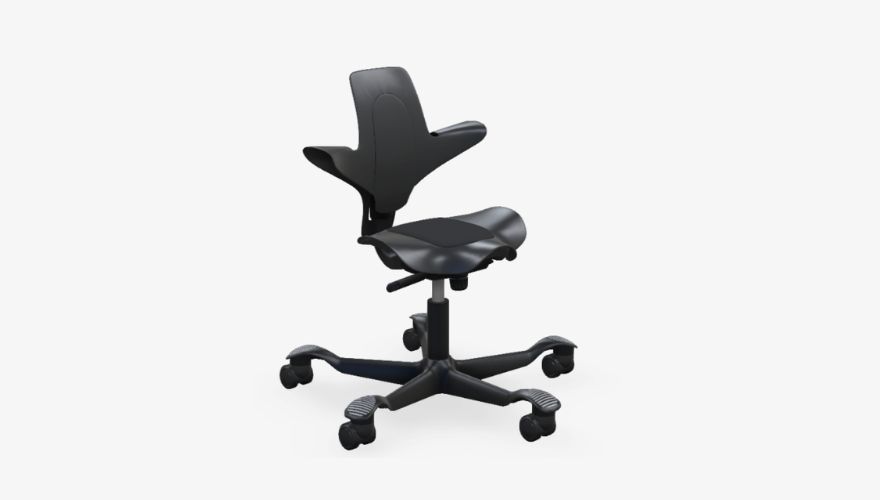
4. HAG Capisco Puls
The HAG Capisco Puls has a saddle-style seat that promotes the use of active sitting. Couples its large height range with standing desks and perching positions. This chair supports an upright position and frequent movement. It is popular in creative and modern work.
Pros and Cons
| Pros | Cons |
| Encourages active sitting | Learning curve |
| Large height range | Firm seat |
| Supports upright posture | Expensive |
| Modern design | |
| Compact footprint |
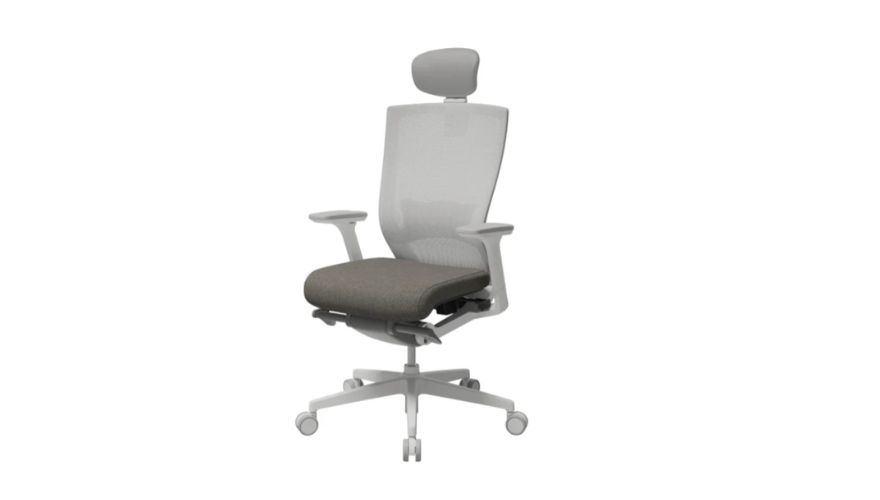
5. SIDIZ T50 Ergonomic Office Chair
Built for everyday comfort and flexibility, the SIDIZ T50 Ergonomic Office Chair is made for everyday use. It has features of adjustable seat depth, recline, and lumbar support. The breathable mesh design helps to keep the users comfortable during long hours. This chair is great for a home space as well as an office space.
Pros and Cons
| Pros | Cons |
| Adjustable seat depth | Assembly takes time |
| Breathable mesh back | Armrests have limited adjustment |
| Good lumbar support | Bulky design |
| Comfortable recline | |
| Reliable daily use |
Also See: Best Standing Desks in Singapore
Common Mistakes to Avoid When Buying a Standing Desk Chair
One popular mistake is the use of a low-height office chair and a standing desk. Standard chairs are not always tall enough, which results in poor posture and awkward sitting positions. Ignoring the range of seat height is another problem, as the chair has to be appropriate to the lowest sitting height of the desk in order to function properly.
Many people also opt for stools without back support during long work periods. While stools are great for short breaks, they are not great for long-term sitting. Skipping foot support is another problem, especially when sitting in higher positions. The absence of a foot ring or footrest can make legs feel strained and uncomfortable.
Finally, always having one’s eyes on the looks rather than the comfort and support can diminish the benefits of a standing desk. A chair should have the ability to support your body first and then that of your taste.
FAQs
Q1: Do you need a special chair to use with a standing desk?
A special chair is not necessary, but highly recommended. Adjusted chairs designed for standing desks adjust at a higher position and provide better support for sitting-standby routines.
Q2: Can a regular office chair work with the standing desk?
Most ordinary office chairs are too low for adjustable standing desks. They may only work if your desk is reduced sufficiently and the chair gives adequate support.
Q3: How often should you sit at a standing desk?
It is best to alternate between sitting and standing in the course of the day. Sitting for brief breaks is helpful in reducing fatigue and promoting comfort.
Q4: Are stools good for standing desks?
It works well for short sitting breaks – Stools. They are not suitable for extended periods of work as they tend not to provide back support.
Q5: What height is ideal for standing desks?
The best seating height lets you rest your feet comfortably with your elbows on the same level of the desk while you work in a seated position.
Conclusion
Like the standing desk, choosing the right chair is important. A well-matched chair supports healthy posture and makes it easier for you to switch between sitting and standing. The goal is balance and not standing all day or sitting around for long hours. The goal is balance and not standing all day and sitting around for long hours.
By taking a look at ergonomics first and foremost, you’re protecting your comfort, focus, and health in the long run. Always consider the height of a desk and the space available, and how often you plan to sit down. Making a deliberate choice means that you can make sure that your standing desk setup will work for you, and not against you.

Liftdesk is a professional standing desk manufacturer, offering expert buying guides, workplace design, and ergonomic tips to help you create a healthier, more productive workspace.