

You will find standing desks in most corporate workspaces and home offices these days; they have become something of a standard. There is a growing preference for a desk that lets you change your posture from sitting to standing as the day goes on rather than being stuck in one spot for hours. That has put the question of dual-motor versus single-motor models front and center for buyers wanting to get the best in comfort, stability, and value.
For the majority, a dual-motor desk is the more robust choice with its superior lifting power and durability. But then again, if you are on a tighter budget or have a smaller workstation, a single motor unit can be perfectly sensible. Liftdesk offers both, so you can pick what suits your office needs.
We have put together this guide to lay out the distinctions between the two in plain terms, without getting bogged down in technicalities. We will look at everything from noise and price to how well they hold up over time and where they fit in a gaming rig or a commercial setting. After reading through, you should know which type is worth the investment for you.
Key Takeaways
- You will generally get faster, smoother height changes with a dual-motor desk.
- Single motor options are easier on the wallet and fine for a basic setup.
- Don’t let the motor count fool you; frame construction is what gives a desk its stability.
- Heavier gear and multi-monitor arrangements are better off on a dual-motor system.
- For lighter use in a small space, a single motor is still very practical.
What Is a Single Motor Standing Desk?
As the name implies, it has one motor to do the work of raising both columns. A connecting rod does the job of moving the other side of the frame rather than a separate motor in each leg. It is an economical design, and you will see it in many entry-level models. The trade-off is that weight capacity is not as high as with a dual motor, and you may notice a bit of lag in the adjustment if you have a lot of heavy equipment on top.
For most people, though, it is all the performance you need. They are ideal for a no-frills home office with a laptop and a monitor, or anywhere you want the flexibility of a standing desk without the premium price tag.
What Is a Dual Motor Standing Desk?
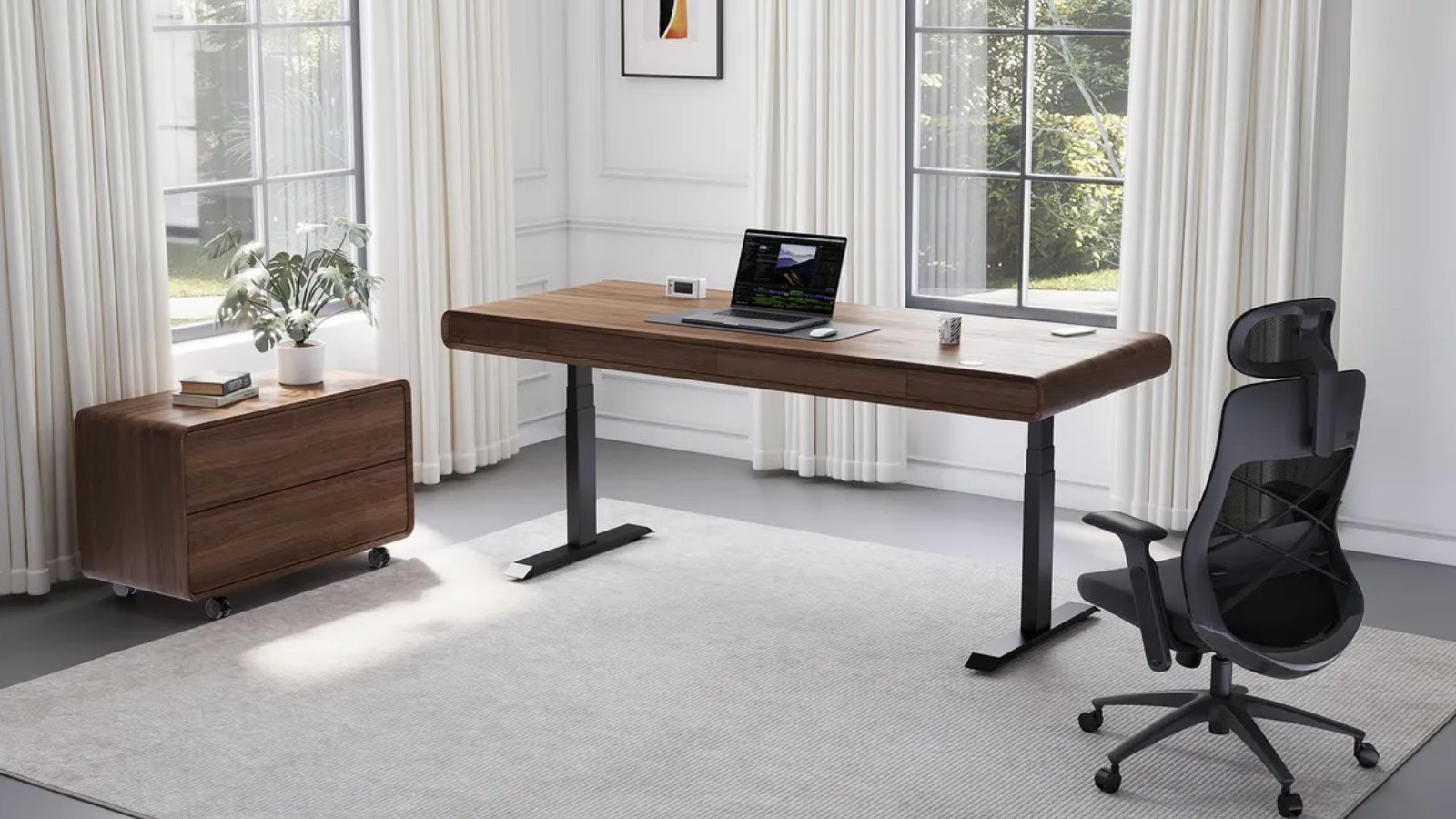
Here you have an individual motor in each column working in unison. It is a more sophisticated arrangement that affords better balance and quieter operation, particularly in the higher-end office models. Since the two motors share the load, there is less strain on the system when you are putting heavier desktops or accessories on the desk.
You will often see them in commercial environments where the desk is being moved up and down all day. They are pricier to start with, but buyers are willing to pay for the long-term durability and the fact that they can take a harder daily workload.
Dual Motor vs Single Motor: The Main Differences
1. Lifting Speed and Performance
The way a desk moves when you are adjusting the height is where you will notice the divide. With a dual motor, each leg is powered on its own, so the transition is quick and even, even under the weight of some substantial gear.
A single-motor desk will serve you well for routine tasks, but because that one motor has to move the whole frame, it won’t be quite as smooth if you are supporting a large desktop or several monitors. If you are the type of user who is constantly moving from a seated to a standing position, you will find that dual motor systems tend to offer a more polished experience.
2. Stability and Wobble
It is a common misconception among buyers that a dual-motor desk will put an end to wobble by default. In reality, stability is as much about the quality of your assembly, the materials used, and the frame construction as it is about the motors. You can have a shoddy dual-motor desk that still wobbles, or one with a single motor that is rock solid due to good design.
Having said that, dual motors do an admirable job of spreading the weight out. Since both sides of the desk lift on their own, the system holds its balance better when in motion or at a higher setting. This comes in handy for taller workstations or users where any uneven pressure would be all too apparent.
3. Weight Capacity
When you put a dual motor up against a single motor, what you can put on top of the desk becomes a big differentiator. A single motor is fine for a laptop, a monitor or some standard office paraphernalia; it is built for lighter, more casual use. But if your setup involves a desktop PC, several monitors, speakers and the like, a dual motor is the way to go. By sharing the load between two motors rather than one, they can support more weight, which is why you will see them in many businesses with heavier equipment.
Also see: Where to Bulk Buy Standing Desks for Corporate Offices: Top Standing Desk Manufacturers Compared
4. Noise Levels
You won’t find the racket of older models in today’s standing desks, but there are distinctions to be made. The best dual motor desks are very quiet precisely because the strain is not being put on one side alone, allowing for a smoother, hushed adjustment. Newer single-motor designs aren’t loud per se, but cheaper ones can develop some vibration or motor noise with age. In an open-plan office where desks are being adjusted all day, a quieter system is preferable for the sake of comfort.
5. Durability and Maintenance
Every day, the lifting system has to work, and over time, that takes its toll. With a single motor doing all the heavy lifting for your gear, you may see it wear down quicker. Dual motor systems are more efficient at distributing that stress, making them a favorite in commercial spaces where the desk is put through its paces.
Sure, a repair might set you back more with a dual motor, but most would say the longevity and performance are worth it.
Pros and Cons of Single Motor Standing Desks
There is no denying the appeal of a single-motor desk for those who want the option to stand without the price tag. They are a staple in apartments and smaller offices where the lifting requirements are modest. For everyday tasks, they do the job well.
Pros
- More affordable than the dual motor competition
- Fewer parts to deal with at setup
- Fits the bill for a small space or a lightweight desk
- Adequate for the occasional standing session
- The sensible choice for a tight budget
Cons
- Not meant for heavy equipment
- Height changes can be slower
- Multi-monitor rigs are not its strong suit
- Tends to show its age faster with daily use
- Lacks some of the nicer features
For a no-frills adjustable workstation with the basics, you get reliable service without paying for commercial-grade.
Pros and Cons of Dual Motor Standing Desks
These are for the user who wants the extra reliability and smoothness in movement. You will often spot them in a gaming rig or a large commercial office. With a motor in each column, the desk can take the weight and stay balanced when you are making adjustments.
Pros
- Superior power for a loaded desk
- Quicker and more fluid height changes
- Will support a larger desktop and multiple screens
- Built to last under a heavy workload
- Premium controls and memory are common
Cons
- You pay more for it
- The frames are heavier and harder to reposition
- Costlier to fix should something go wrong
- Overkill for a basic office
- The top-end models can get pricey
In the end, a good electric lift system makes all the difference if you are adjusting your desk and using substantial equipment on a regular basis.
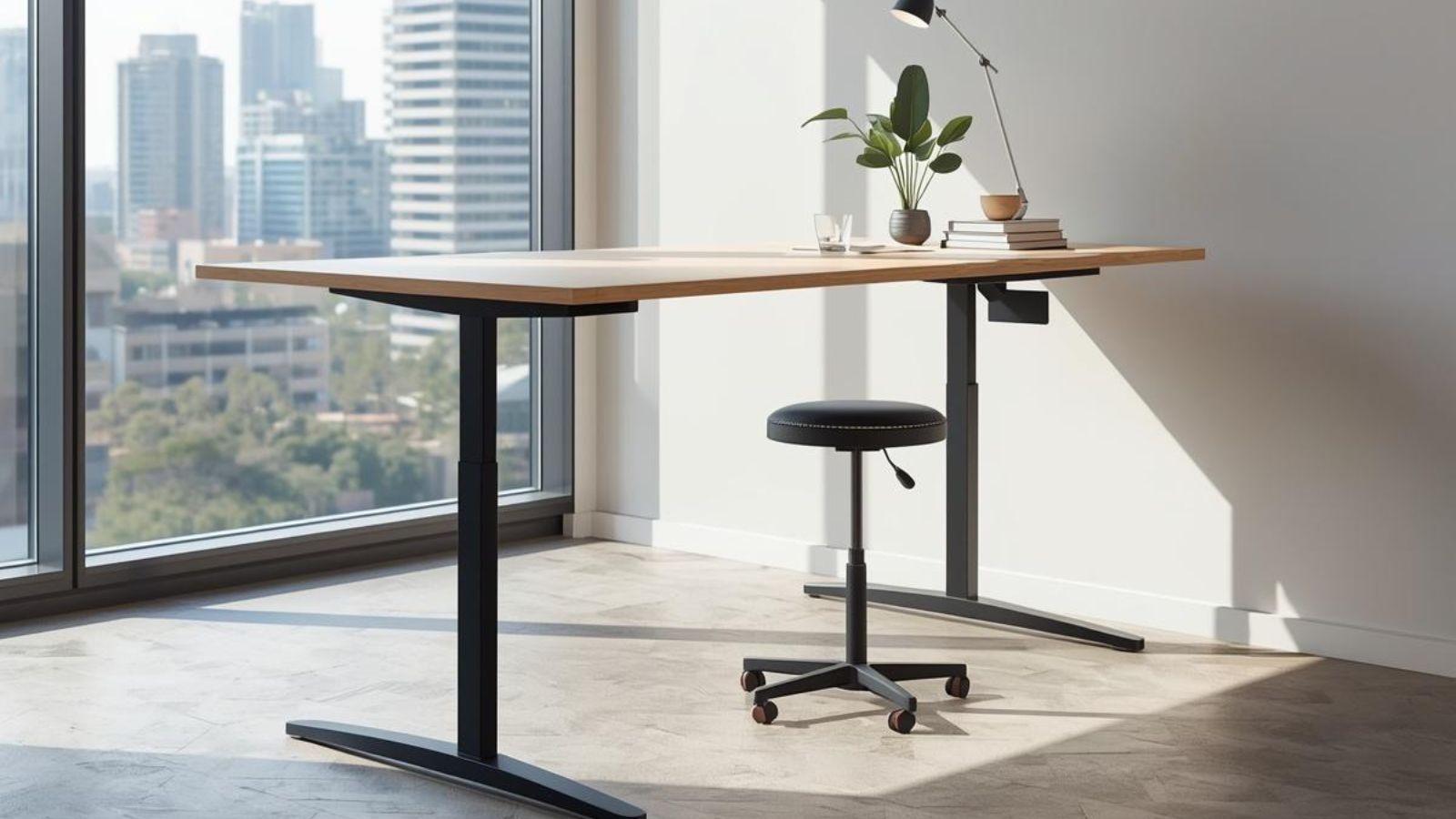
How to Tell Which Standing Desk Is Right for You
A single-motor desk is generally all you need for a home office. If your workday involves moving the desk only a couple of times and your gear is limited to a laptop, a monitor, and the like, there is no call for the added heft of a dual-motor system. Then there is the matter of budget; most home users want the option to stand without having to pay for premium features they will not get any use from. A well-made single-motor desk will do the job comfortably and practically.
In a corporate setting, however, dual motor desks are often the way to go. These are put through their paces more in the course of a day with shared stations and staff coming and going. The constant up and down puts strain on the mechanism that a dual motor handles with greater ease and reliability. On top of that, you have heavier paraphernalia to contend with – desktops, docking stations, several monitors and so forth. When it comes to an office environment, you are better off with something durable and consistent than something that might be cheaper to buy.
Is the Dual Motor Price Tag Justified?
The appeal of a single-motor desk is obvious: it costs less. For a student or a small home office with light equipment, an entry-level model offers plenty of function without breaking the bank. Dual motors are a mid-range to premium proposition. You pay more for the sturdier frame, the smoother controls, and the like, but many consider the performance to be worth the outlay.
It is a case of saving money today versus in the long run. In a busy office where the desk is in motion all day, a lower-cost unit can wear down quicker. And don’t forget the warranty; good coverage can save you on repairs down the line. For those with heavy setups or long hours, the dual motor is usually the better value over time, even if it is pricier to start with.
Mistakes Buyers Often Make
1. Thinking a Dual Motor Will Cure Wobble
It is a common belief that you get more stability with a dual-motor desk. In truth, wobble is down to the quality of the frame and how the desk is put together. You can have a dual motor and still find it unstable at height if the build is subpar.
Also see: How to Reset a Standing Desk: Step-by-Step Guide
2. Disregarding the Frame
The motor system gets all the attention, but the frame is equally vital. Durability and how well a desk performs over time are determined by solid steel, cross support, and general construction.
3. Going for the Low Price Tag
If you are putting in hard daily use on a desk, the cheapest option is likely to cause headaches. Good ergonomic office gear needs to be a balance of cost, lifting power, warranty, and stability.
4. Not Considering Weight Limits
Users sometimes don’t give enough thought to what their desk can handle. Put a few monitors, a desktop PC, and some speakers on a lower-end standing desk, and you may be over its recommended load.
In Conclusion
There is room for both single and dual-motor desks; it comes down to your application. For a small home office or a casual user with a light setup, a single motor is the sensible way to go. It costs less and has plenty of flexibility for day-to-day work.Then there are the dual motor models. If you have a large desktop, heavier gear, or are making constant height changes, they are the more robust long-term bet. They tend to be smoother and more durable in a demanding office. But do not let the number of motors fool you. The materials, the size of the top, and the frame are just as critical to the desk’s lifespan. Your best pick will hinge on your habits and equipment. For those in need of a dependable ergonomic solution, we suggest considering what Liftdesk Standing Desk Manufacturer offers.
FAQs
Generally speaking, yes. You will see better performance and capacity from them.
Not necessarily. A well-made frame matters as much as the motor when it comes to stability.
Under heavy use, a dual motor will often outlast the rest because the strain is split between the two.
For serious office use and the durability it brings, most buyers would say so.