Most people spend more than half their working day sitting – all the while unaware of the stress this places on the body. Long hours in the same position can cause stiffness in the back, tension in the shoulders, and poor blood flow. Over time, this results in tiredness and lack of concentration.
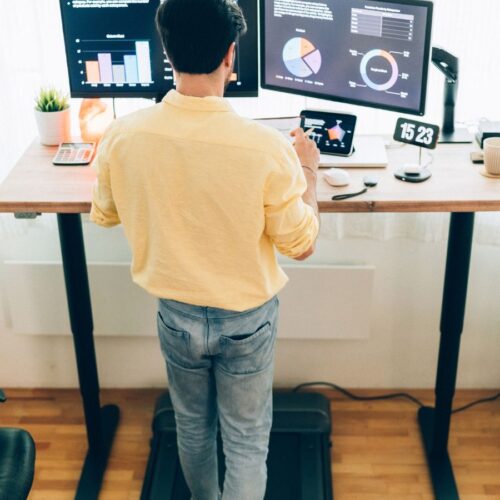
A standing desk helps to break that pattern. It allows you to both sit and stand, and your body stays busy, and your posture is in check. Studies show that those who stand more during the day have up to 32% less lower back pain and report better energy levels than those who sit around the whole day.
Standing desks have now become an important component of healthy home office configurations. In the tight spaces of homes and the modern office, they offer a space-efficient means to be comfortable and productive.
Table of Contents
- Top 10 Benefits of a Standing Desk
- How to Transition to Using a Standing Desk
- 6 Best Standing Desks for Your Home Office
- Frequently Asked Questions
- Conclusion
Top 10 Benefits of a Standing Desk
In this guide, we’ll explore 10 of the proven benefits of using a standing desk, tips for your safe transition, and the best models for use in your home office that combine design, value, and comfort that will outlast time.

1. Improves Posture
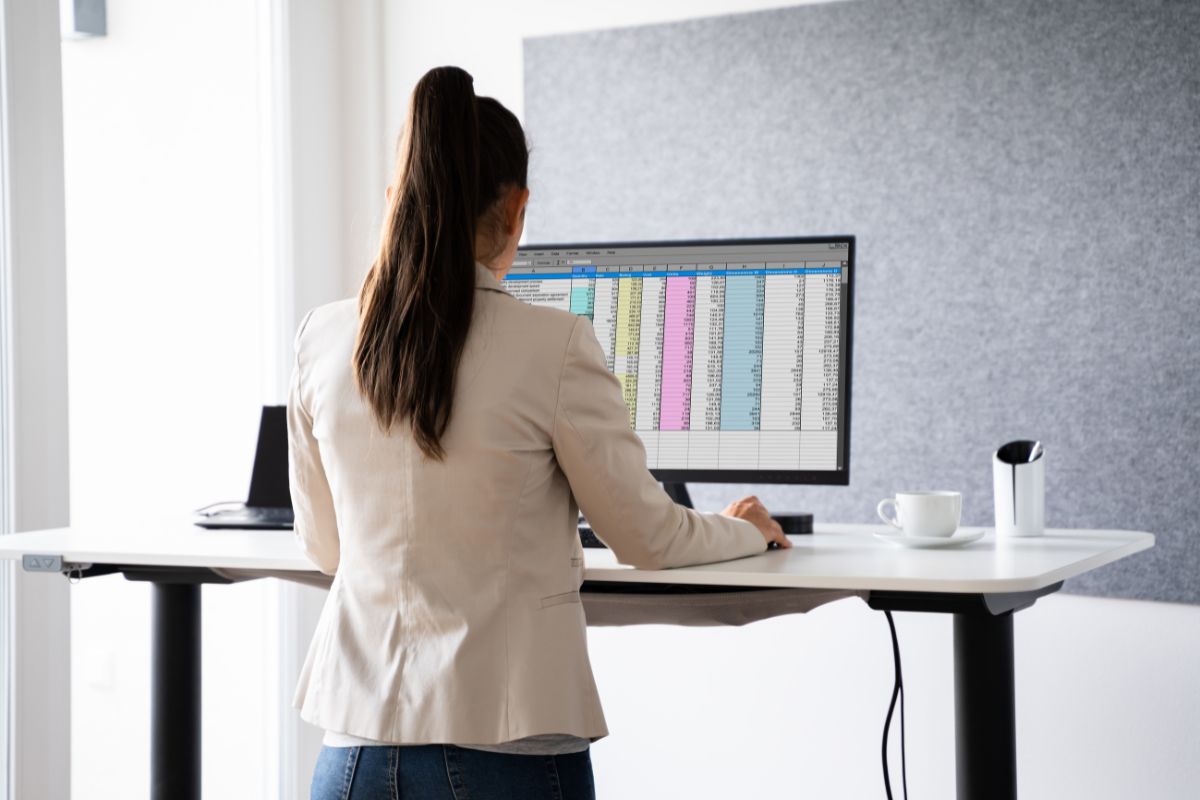
A standing desk gives you the incentive to keep your posture correct by keeping your spine straight and your shoulders relaxed. When you have adjusted the height of your desk correctly, your elbows will remain at 90 degrees, and your screen will be at the same level as your eyes. This natural alignment thus helps in reducing the habit of slouching or leaning forward, which helps in keeping your body balanced and comfortable throughout the day. Over the years, standing more can even help to correct rounded shoulders from years of sitting at a traditional desk.
2. Reduces Back and Neck Pain
Sitting for an extended period of time squeezes the muscles in the lower back and neck, which are strained, especially if your computer monitor is too low. Standing desks help in releasing that pressure by distributing the body weight in a more balanced manner. Alternating between sitting and standing positions will ensure that your spine is healthier, as it will help you get rid of the stiffness in your shoulders and back. A good idea is that many users experience reduced discomfort after a week of consistent use, as the desk allows you to prevent bad posture from occurring as a result of working for long hours.
3. Boosts Focus and Energy
Standing helps in good blood flow, which carries more oxygen to your brain. This helps to keep your mind alert and fights off the afternoon slump that so many office workers suffer from. Studies show that people who stand at their workstations are more engaged and more focused on their tasks. The act of just standing up can reset your energy levels, and you will find yourself in a position to keep on with the motivation and be productive without any need for any more coffee breaks.
4. Improves Circulation
When you sit for long periods of time, your legs will be in a bent position, which will limit blood flow. A standing desk helps to increase circulation by keeping you moving, shifting your weight, stretching, or walking short distances. This keeps oxygen moving through your muscles and ensures that there is no possibility for swelling or numbness in your legs and feet. Better circulation also helps to prevent a common problem called varicose veins, which can be a problem for people who are in a sitting position for most of the day.
5. Burns More Calories
Standing burns more calories than sitting naturally, as you are using multiple muscles even in a sitting position. It may not be a substitute for exercise, but the difference does add up in the long run. Research shows that standing burns roughly 50 to 70 more calories an hour than sitting. For people who work for 8 hours a day, that small change is going to make a real difference in energy levels and general wellness without any huge effort.
6. Supports Heart Health
Too much sitting has been linked to an increased risk of heart disease. By getting up more throughout the day, you have less time spent being sedentary, and you are helping your cardiovascular function. Moving about on a regular basis helps to keep blood sugar and cholesterol at more stable levels. Even light levels of activity, like standing for part of every hour, are a good way of improving heart health. It’s a simple lifestyle change that will help to keep you active without trying to find time out of your day to make a trip to the gym.
7. Improves Mood and Productivity
Movement is very much related to mood. Standing encourages light physical activity that triggers the release of endorphins, your brain’s natural feel-good chemical. Workers who have standing desks often report feeling more energetic and positive. This increase in mood is directly supportive of productivity, making it easier to stay focused and creative. Standing meetings, for example, are often faster, sharper, and interesting than traditional sit-down meetings.
8. Reduces Fatigue
Alternating between sitting and standing keeps your muscles active and engaged and helps you avoid that heavy and tired feeling that comes from sitting too long. Standing to keep your levels of energy up all day and mental fog away. By staying in motion, even for small movements to change your posture, you’ll be using energy more efficiently, and you’ll have less energy wasted at the end of your workday.
9. Promotes Better Ergonomics
An adjustable standing desk means that you can adapt your desk to your body. You can adjust the height of the desk to ensure that your keyboard, mouse, and monitor are the right height, so that you don’t strain your wrists and neck. This is an ergonomic flexibility key for shared workspaces or homes, where more than one person is using the same desk. It ensures the comfort and support of posture for any height and any working style.
10. Encourages Movement and Flexibility
One of the biggest advantages of a standing desk is its ease of movement. Standing up gives you the freedom to change your stance, stretch, or take little breaks of walking, and cannot take you away from the zone of focus. This soft movement helps to keep joints loose, avoid stiffness, and increase flexibility. Over time, it becomes a healthy habit, helping your body stay active and alert (even during long work hours).
How to Transition to Using a Standing Desk
Switching from sitting all day to having your desk standing up to it takes a little adjustment. The important thing is to ease into it and allow your body to adjust gradually to it.
1. Start Slowly
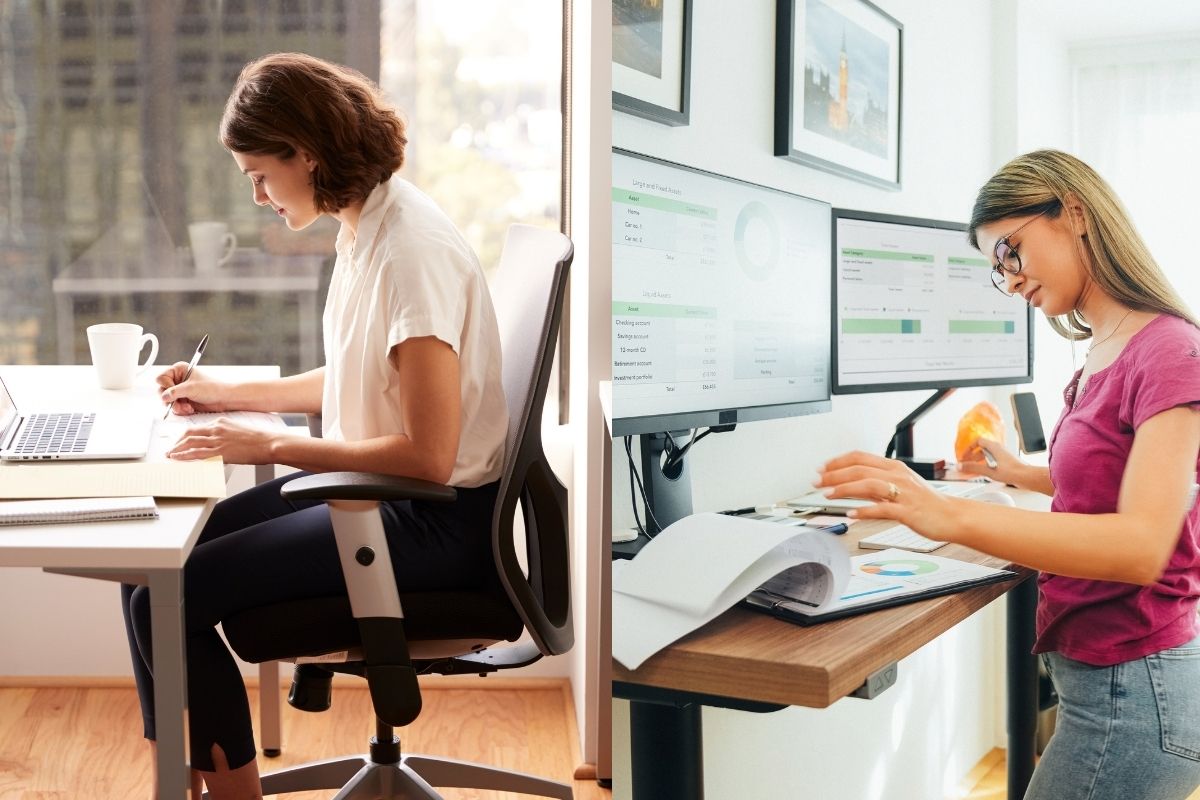
Start out with short periods of standing, maybe 20 to 30 minutes every hour. Gradually increase your standing time over the course of a few weeks until you do it naturally. Standing too long in the beginning can cause your legs or your feet to get sore, so balance is important.
2. Find the Right Height
Set up your desk so that your elbows are bent at a 90-degree angle when you are typing, and your monitor is at eye level. This helps you to keep the neck straight and does not strain your shoulders and wrists.
3. Alternate Frequently
Sitting and standing up throughout the day keeps you comfortable and productive. In order to prevent your muscles from being inactive, try changing positions every 30 to 45 minutes.
4. Use Anti-Fatigue Mats
A soft standing mat can help to take pressure off your feet and joints during long hours. It makes it more comfortable to stand and puts you at ease for small movements to boost the circulation.
5. Wear Supportive Shoes
Don’t wear heels or thin soles of shoes. Choose shoes that have good arch support in order to avoid foot pain as well as better balance while standing.
6. Move and Stretch
Add some light stretches, alternate legs and weights, do some simple chair exercise, or take some short walks. These micro-movements prevent stiffness and improve circulation.
7. Monitor your Comfort
Listen to your body. If you start to get tired, drop the desk and sit down for a while. Everybody’s comfort level is different, and adjusting your schedule will help you build your endurance naturally.
Makes it easy to do so, standing desks like the LiftDesk Sendi-E. Its adjustable height positions, its smooth motor, and quiet lift mean you can change between a sitting and standing position at any point, allowing your body to change comfortably and effortlessly.
6 Best Standing Desks for Your Home Office
Best Standing Desk for Home Office at a Glance:
| Feature | Liftdesk Sendi-E | Uplift V2 | FlexiSpot E8 | Interdesk Pro | Branch Duo | FlujoSmarTrax |
|---|---|---|---|---|---|---|
| Adjustable Height Range | 24.8″ to 50.4″ | 22.6″ to 48.7″ | 23.6” to 49.2” | 27.6″ to 47.2″ | 28” to 47.3” | 28.7″ to 48″ |
| Weight Capacity | 1250N | 355 lbs | 275 lbs | 120kg | 275 lbs | 80Kg |
| Motors | Dual Motor | Dual Motor | Dual Motor | Dual Motor | Dual Motor | Dual Motor |
| Memory Presets | Yes (4) | Yes (4) | Yes (3) | Yes (4) | Yes (2) | Yes (3) |
| Assembly Required | Yes | Yes | Yes | Yes | Yes | Yes |
| Cable Management | Yes | Yes | Yes | Yes | Yes | Yes |
| Stability | Great | Excellent | Good | Excellent | Good | Good |
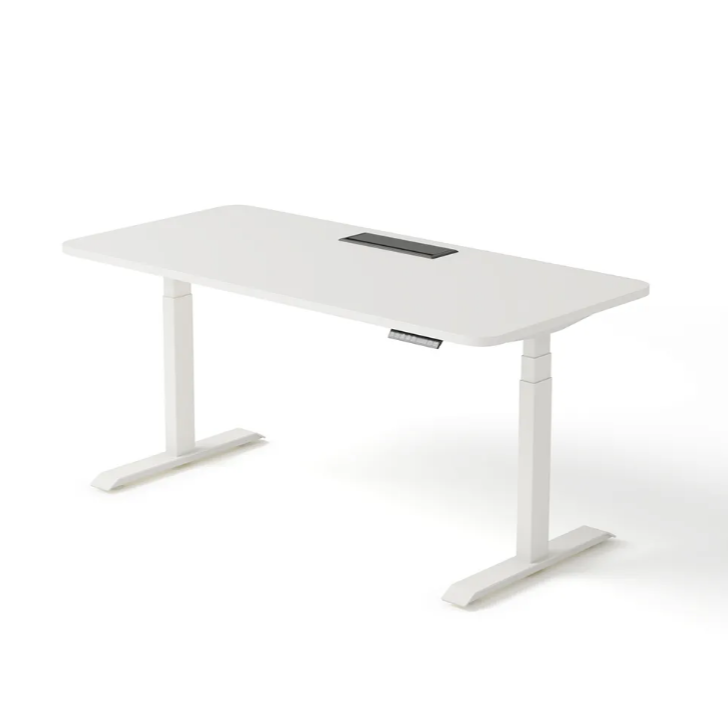
1. Liftdesk Sendi-E Standing Desk
The Liftdesk Sendi-E is designed for comfort, stability, and long-term reliability. Its dual-motor system provides quiet, smooth changes in height, and the four memory presets make habitual changing between sitting and standing a breeze. The steel frame provides durability, and the clean, modern design fits in homes that are both compact and office spaces.
| Pros | Cons |
| Smooth, quiet dual-motor system | Heavier than entry-level desks |
| Four memory presets for saved heights | Assembly takes some time |
| Strong steel frame for stability | Limited built-in cable routing |
| Sleek modern finish suits any setup | Slightly higher price range |
2. Uplift V2 Standing Desk
A worldwide hit, the Uplift V2 brings together strength, superior ergonomics, and almost noiseless action. It has dual motors, anti-collision sensors, and great stability at any height. With hundreds of choices in sizes, finishes, and accessories, it’s ideal for a professional who wants a premium, customized workstation.
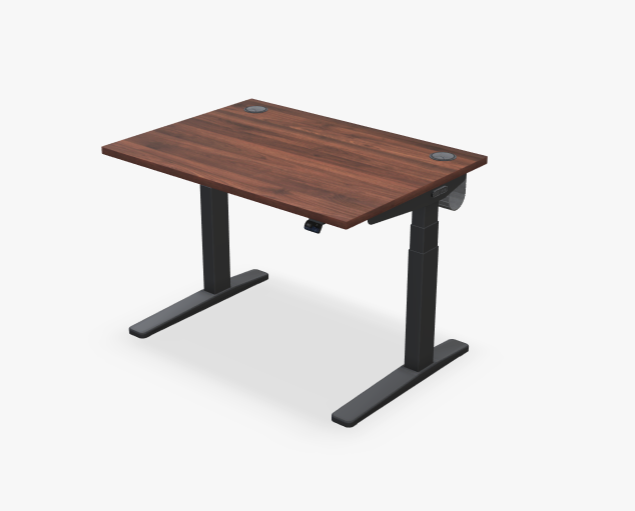
Image Source: UPLIFT DESK
| Pros | Cons |
| Strong dual-motor lift system | Expensive compared to mid-range desks |
| Excellent stability even at max height | Long delivery lead times |
| Many customization and finish options | Can be bulky for small rooms |
| Anti-collision and memory features | Setup can take longer initially |
Resources:
3. FlexiSpot E8 Standing Desk
The FlexiSpot E8 provides an elegant appearance, as well as a smooth electric lift at a reasonable cost. With dual motors and anti-collision protection, it runs quietly and efficiently. The quick assembly and wide range of tabletops for this desk make it ideal for home-based professionals who are keen on a stylish, as well as functional, approach.
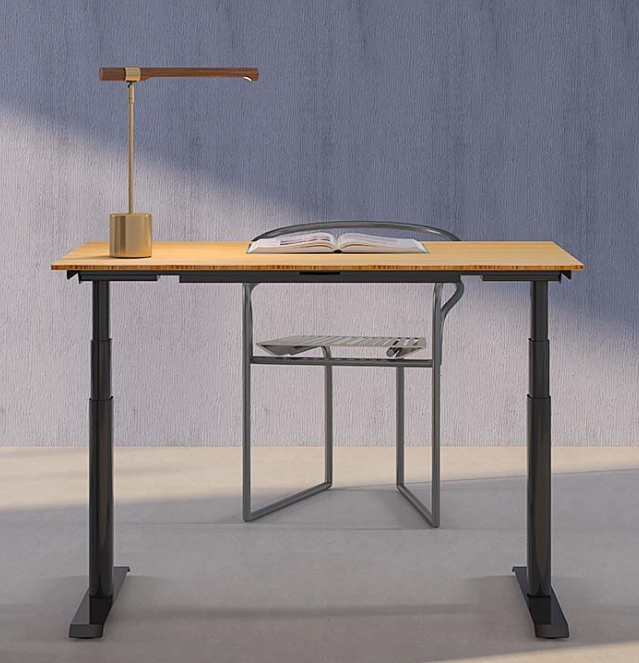
Image Source: FLEXISPOT
| Pros | Cons |
| Dual-motor lift with quiet operation | Limited color choices |
| Anti-collision safety protection | May wobble slightly on uneven floors |
| Easy to assemble and adjust | Fewer smart features than premium models |
| Great value for its performance | Slightly lower weight capacity |
Resources:
4. Interdesk Pro
Compact but powerful, the Interdesk Pro is designed for smaller workspaces that require full ergonomic support. It features a powerful dual-motor lift, anti-collision sensors, and whisper-quiet height transitions. Simple to install and durable, it’s a good mid-range option for home offices.
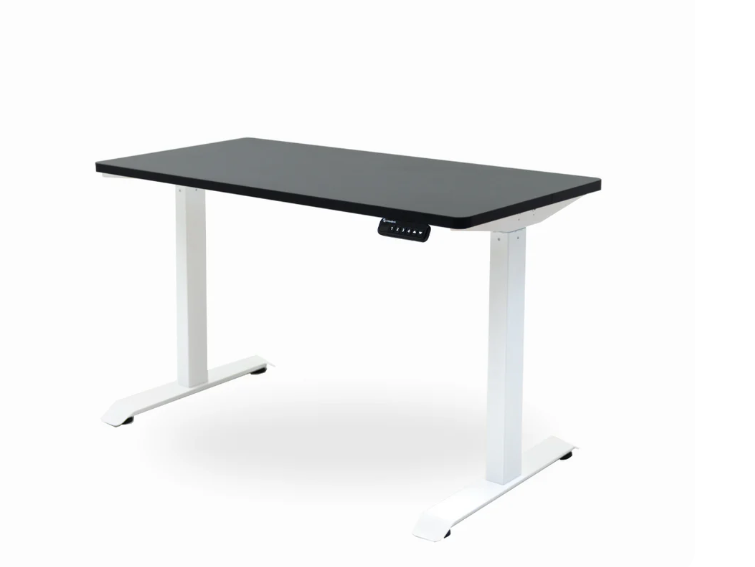
Image Source: interdesk
| Pros | Cons |
| Quiet dual-motor lift system | Basic design, fewer color options |
| Compact and space-efficient frame | Limited accessory add-ons |
| Fast, smooth height adjustment | Warranty shorter than high-end desks |
| Easy setup and operation | Moderate stability at full height |
See other budget picks here: Budget Standing Desk Buying Guide.
5. Branch Duo Standing Desk
Branch Duo is a combination of clean aesthetic and functional comfort. Its dual motor design can be attributed to its lifting ability, smooth and silent, while the programmable feature of memory preset allows for quick adjustments. Designed for the creative worker and remote workers, it provides a balance of long life and a modern lifestyle to be productive every day.
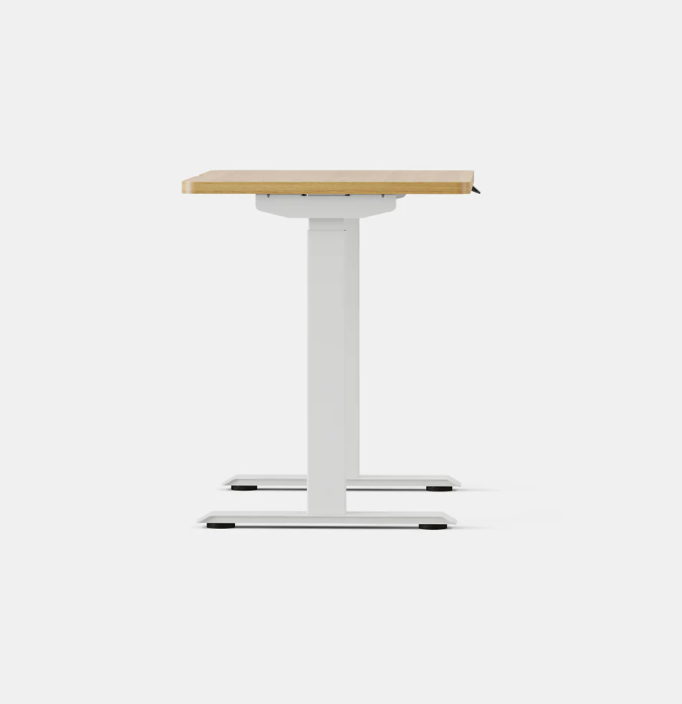
Image Source: Branch
| Pros | Cons |
| Smooth, quiet lifting motion | Higher price point |
| Strong metal legs for sturdiness | Limited tabletop finishes |
| Memory presets for custom heights | Availability varies by region |
| Professional, modern design | Assembly requires two people |
6. FlujoSmarTrax Height Adjustable Desk
The Flujo SmartTrax brings together technology and style. It has dual motors and anti-collision safety as well as built-in cable management features to keep your workspace neat. Its clean, minimalist appearance and smooth lift make it ideal for those wanting a modern and reliable desk for everyday home use.
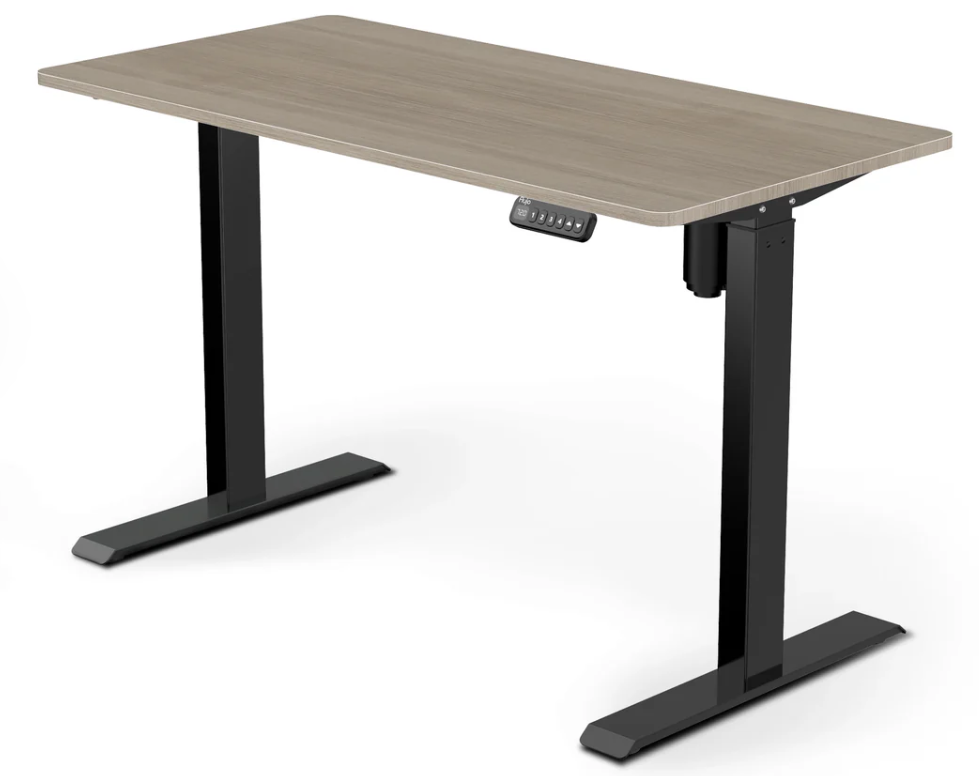
Image Source: FLUJO
| Pros | Cons |
| Dual-motor lift with quiet operation | Limited availability outside Singapore |
| Anti-collision system for safety | Smaller tabletop than some competitors |
| Built-in cable management system | Setup may take extra tools |
| Sleek, smart design | Fewer customization options |
Frequently Asked Questions
Yes, they’re designed for everyday use and help alleviate stiffness. They also enhance posture and focus.
Try to aim for a total of 2-4 hours, which can be broken down into short sessions throughout the day.
No, promotes movement but should be complementary, not supplementary, to physical activity.
Only if you stand for too long (no breaks, no mat support).
The Liftdesk Sendi-E Standing Desk and Branch Duo are compact, sturdy, and good for smaller workspaces.
Conclusion
Some of the easiest ways to help provide improvements in posture, energy, and productivity are by having standing desks. By alternating between sitting and standing, you are able to limit the amount of discomfort and feel much more concentrated during your workday. Whether you work from home or work in an office all day long, putting money into a good desk is a way of putting money into yourself in the long run.